
Peripheral Angiography and Interventions
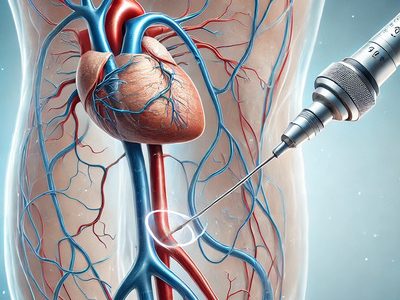
What is Peripheral Angiography and Intervention?
Peripheral Angiography
Peripheral Interventions
Peripheral interventions are minimally invasive treatments designed to treat PAD and other vascular conditions. These procedures aim to improve blood flow by opening blocked or narrowed arteries. They may relieve symptoms such as leg pain, cramping, and numbness, and for some patients they are an alternative to open surgery.
Types of Peripheral Interventions
Stenting
Stenting is commonly used to treat narrowed or blocked arteries in the legs or renal arteries. After performing balloon angioplasty to widen the blocked artery, doctors place a stent (a small metal mesh tube) to keep the artery open.
In some cases, doctors may use drug-eluting stents to help prevent the artery from narrowing again.
Balloon Angioplasty
Percutaneous transluminal angioplasty (PTA) often occurs alongside stent placement. During PTA, a balloon catheter inflates at the blockage site, opening the artery and restoring blood flow. This procedure is effective for both iliac artery disease (which affects arteries leading to the legs) and renal artery stenosis (narrowing of arteries supplying the kidneys).
Atherectomy
Atherectomy is used to remove plaque buildup from artery walls, particularly when the plaque is hard or calcified. The procedure uses devices like rotational atherectomy or laser atherectomy to clear blockages and restore blood flow in the peripheral arteries.
Thrombectomy
Thrombectomy helps remove blood clots that obstruct blood flow in peripheral arteries, particularly in cases of acute limb ischemia. Specialized mechanical devices remove the clot, restoring circulation to the affected area.
Benefits of Peripheral Interventions
- Improved Mobility: Interventions for PAD can significantly reduce symptoms like claudication. Patients often find they can walk longer distances without pain.
- Preservation of Limb Function: These procedures restore blood flow to the legs and are an important part of treatment to help protect the limb in severe artery disease.
- Renal Function Preservation: For selected patients with renal artery stenosis, opening the artery may help blood pressure or kidney function. Your doctor will explain whether it’s likely to help in your case.